
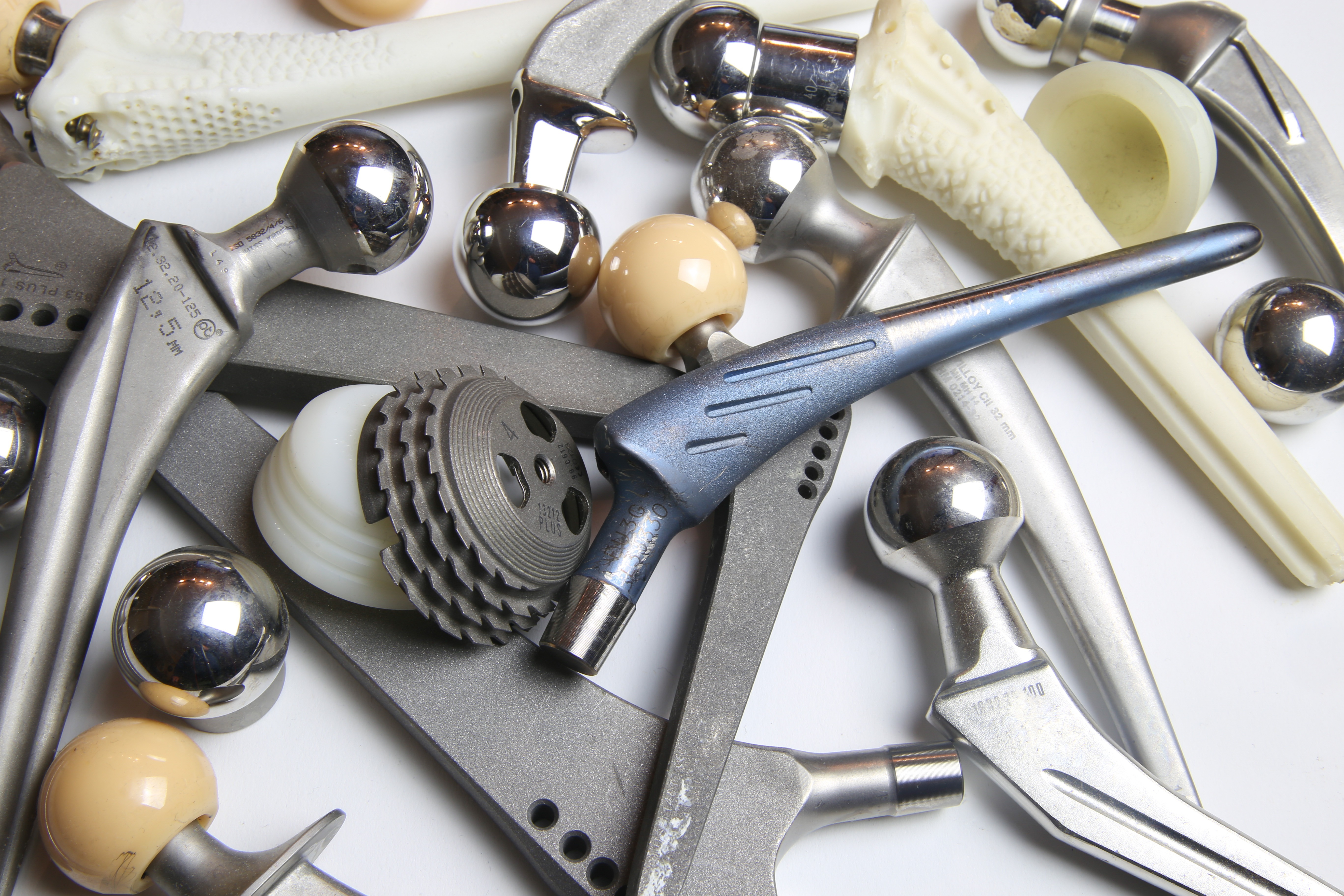
In trauma and musculoskeletal care, orthopedic implants play a foundational role in restoring stability, alignment, and functional support across a wide range of injuries. These solutions are central to fracture management and structural reconstruction, enabling controlled fixation while accommodating the biomechanical demands of different bones and joints. This blog explores how orthopedic implants are applied in trauma and musculoskeletal management, offering clinical context for their use across diverse anatomical regions and clinical settings.
The Role of Orthopedic Implants in Trauma and Musculoskeletal Care
In trauma and musculoskeletal care, orthopedic implants form the structural backbone of surgical intervention, enabling surgeons to restore stability and anatomical continuity in compromised skeletal systems.
.jpg)
Key roles include:
- Mechanical stabilization: Orthopedic implants provide immediate internal support that allows fractured or structurally compromised bone segments to remain stable under physiological loads, forming the basis for controlled healing.
- Maintenance of anatomical alignment: By maintaining precise spatial relationships between bone segments, implants help preserve limb length, rotational alignment, and joint congruity throughout the recovery process.
- Controlled biological healing environment: Internal fixation limits excessive micromotion at the injury site while still permitting functional load transfer, supporting predictable bone remodeling and consolidation.
- Support for functional restoration: Stable internal fixation enables earlier, safer mobilization strategies, which are essential for preserving muscle function, joint range of motion, and overall biomechanical efficiency.
- Reliability across injury complexity: Across high-energy trauma, multi-fragmentary fractures, and degenerative structural compromise, orthopedic implants provide consistent structural support within established surgical care pathways.
Key Categories of Orthopedic Implants Used in Trauma Care
Trauma and musculoskeletal care involves a wide range of implant solutions, each addressing distinct structural challenges encountered during fracture fixation and skeletal reconstruction.
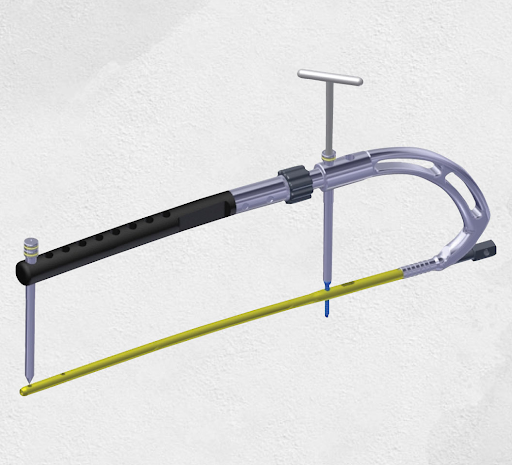
Key orthopedic implant categories include:
- Intramedullary fixation systems: Long-bone trauma is commonly managed using intramedullary fixation, where intramedullary nails provide internal stabilization for fractures of the femur, tibia, humerus, and other tubular bones, supporting load sharing and alignment during healing.
- Plate and screw fixation systems: Anatomically contoured plates and screw systems are used where surface fixation is required, particularly in periarticular and metaphyseal regions. These include standard and locking plates designed to maintain stable fixation in varied bone qualities, along with anatomically specific solutions such as clavicle plates, hand plates, foot and ankle plates, pediatric plates, and pelvic plates systems.
- Compression and specialty screws: Low-profile fixation solutions such as the headless compression screw are applied in fractures where minimal implant prominence and precise compression are critical, especially in smaller bones and joint-adjacent areas.
- External fixation systems: Modular external fixators are utilized for temporary or definitive stabilization in complex trauma, open fractures, or cases requiring staged surgical management and soft-tissue protection.
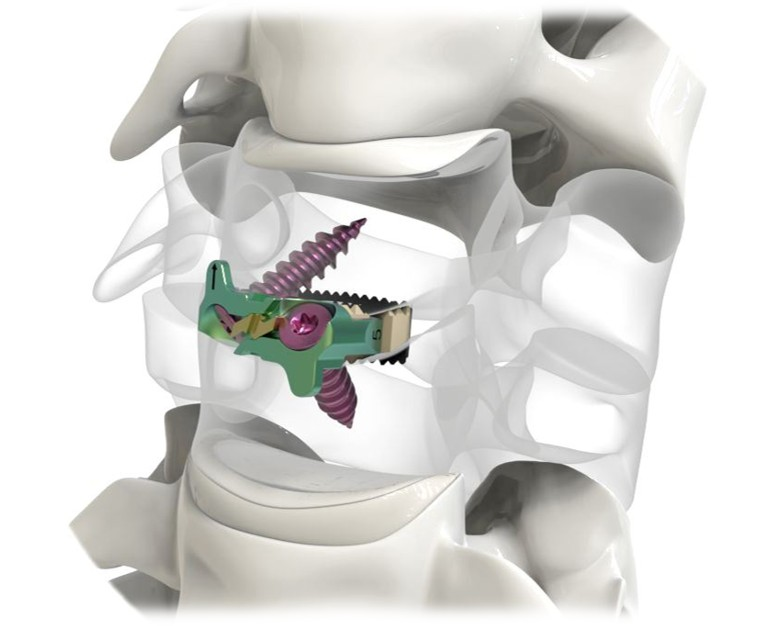
- Spinal implant solutions: Trauma-related spinal conditions are supported through dedicated implant systems designed for stabilization, deformity correction, and minimally invasive fixation across cervical, thoracic, and lumbar regions.
- Cranio-maxillofacial implant systems: CMF implants address fractures and reconstructive needs of the facial skeleton, offering precise fixation in anatomically delicate and structurally complex areas.
- Joint and reconstructive implant components: In cases where trauma affects joint integrity, reconstructive implant components support structural restoration and functional continuity as part of broader musculoskeletal repair strategies, including applications involving joint prosthesis systems such as hip replacement and TKR.
Read more: A Brief Guide To The Major Types Of Orthopedic Screws
Orthopedic Implants Across Different Anatomical Applications
In trauma and musculoskeletal care, orthopedic implants are used across a wide anatomical spectrum, reflecting the varied structural and biomechanical demands of different regions of the skeletal system. Their application extends beyond isolated fracture fixation to support reconstruction across both load-bearing and anatomically complex regions.
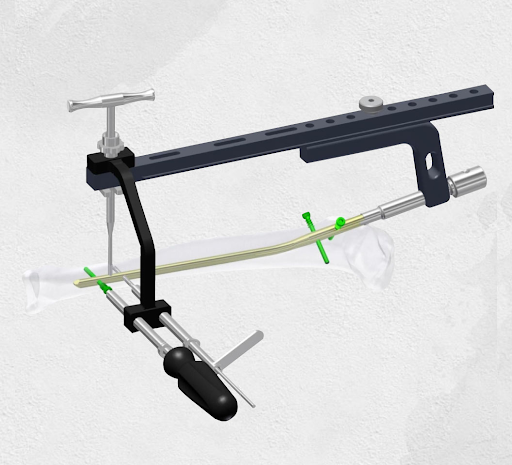
Key anatomical applications include:
- Upper limb: Orthopedic implants are applied in the humerus, radius, ulna, and hand to address fractures, osteotomies, and structural compromise where preservation of motion, rotational alignment, and functional recovery are essential.
- Lower limb: The femur, tibia, fibula, ankle, and foot represent major applications, requiring orthopedic implants capable of managing high mechanical loads while maintaining alignment across shaft, metaphyseal, and periarticular regions.
- Pelvic and sacroiliac region: Pelvic and sacroiliac implants support stabilization in complex anatomical zones where orthopedic implants must balance structural integrity with proximity to critical neurovascular structures.
- Spine: Spinal implants are used across cervical, thoracic, and lumbar regions to support trauma stabilization, deformity correction, and structural reinforcement in cases involving instability or compromised vertebral integrity.
- Cranio-maxillofacial (CMF) region: CMF implants address fractures and reconstructive needs of the facial skeleton and cranial structures, where precise fixation and anatomical conformity are required due to functional and aesthetic considerations.
- Joint-related and reconstructive applications: In trauma scenarios affecting joint integrity, orthopedic implants support reconstruction, salvage procedures, and restoration of joint mechanics as part of broader musculoskeletal management.
Integrated Orthopedic Implant Systems in Trauma Care
Madison Ortho presents its trauma portfolio as coordinated implant systems designed to support consistency across fixation procedures. Rather than positioning implants as isolated devices, we structure our offerings around system-level solutions that combine implants with corresponding instrumentation and accessories.
Key characteristics of this system-based approach include:
- Structured system organization: Implant offerings are arranged as defined systems aligned with specific anatomical regions and trauma indications, allowing clinicians to work within organized solution sets rather than assembling components individually.
- Instrumentation compatibility: Each implant system is supported by dedicated surgical instruments developed to correspond with implant geometry and fixation requirements, reinforcing consistency during placement and handling.
- Standardized configurations: Components within individual systems follow consistent sizing ranges and configuration logic, supporting familiarity and reducing variability across procedures.
- Comprehensive procedural coverage: The portfolio includes multiple implant systems addressing trauma requirements across long bones, periarticular regions, pelvis, spine, and cranio-maxillofacial structures, including specialized systems such as pelvic plates systems and pediatric fixation solutions, within a unified framework.
- Portfolio coherence: Presenting implants as integrated systems allows institutions to manage varied trauma cases while maintaining continuity across products, instruments, and procedural workflows.
Manufacturing Standards and Quality Considerations in Orthopedic Implants
In trauma and musculoskeletal care, the reliability of orthopedic implants is closely tied to how they are designed, manufactured, and validated. For surgeons, hospitals, and procurement teams, understanding quality and compliance considerations supports confidence in long-term clinical use.
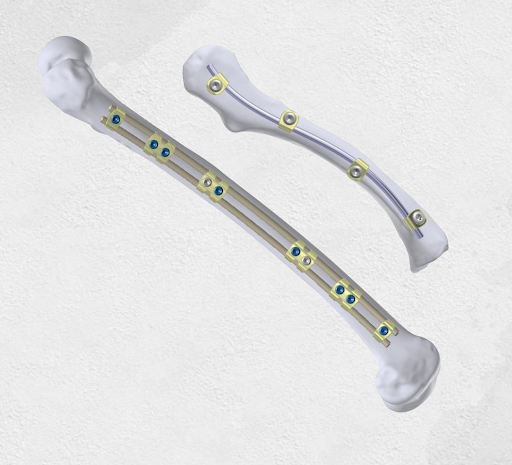
Key aspects to evaluate include:
- Precision manufacturing practices: Consistent machining accuracy and controlled production processes are essential for ensuring implant dimensional reliability and proper intraoperative fit.
- Quality management systems: Manufacturers operating under structured quality frameworks, such as ISO-certified systems, demonstrate documented controls across design, production, and final inspection stages.
- Regulatory compliance: Adherence to internationally recognized regulatory requirements, including CE marking, indicates that implants meet established safety and performance benchmarks before market release.
- Material traceability and consistency: The ability to trace raw materials through manufacturing and final products supports accountability and uniformity across implant batches.
- Global standards alignment: Manufacturers supplying multiple regions must align with diverse regulatory expectations, reinforcing consistency in implant quality across international markets.
- Ongoing validation and review: Continuous monitoring, testing, and process review help ensure that implant quality is maintained as portfolios expand and clinical demands evolve.
The Value of a Broad Orthopedic Implant Portfolio
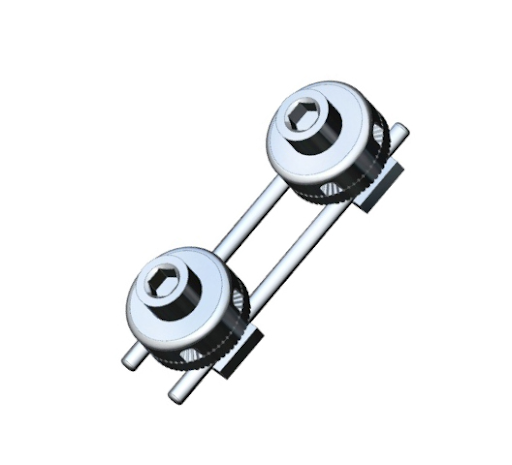
Access to a comprehensive range of orthopedic implants offers practical advantages for institutions managing varied trauma and musculoskeletal case volumes. A broad portfolio supports adaptability across different injury patterns and procedural needs, reducing the complexity of sourcing from multiple vendors. Working with a single, well-established medical devices supplier also helps hospitals and surgical teams maintain continuity across procurement, training, and clinical workflows. For distributors, portfolio breadth enables support across multiple specialties and care settings through a unified offering, making scope and consistency a meaningful operational advantage.
Consult Madison Ortho
Madison Ortho brings together clinical insight, precise engineering, and a broad product portfolio to support trauma and musculoskeletal care across diverse settings. With a focus on consistency, compatibility, and global regulatory alignment, our orthopedic implants are developed to integrate smoothly into established surgical workflows while supporting consistent fixation and procedural confidence. We work closely with surgeons, hospitals, and distribution partners worldwide to ensure access to well-structured implant solutions backed by responsive technical and commercial support. To explore our portfolio or discuss partnership opportunities, connect with Madison Ortho at +1-787-945-5800 or email info@madisonorthoinc.com.
