
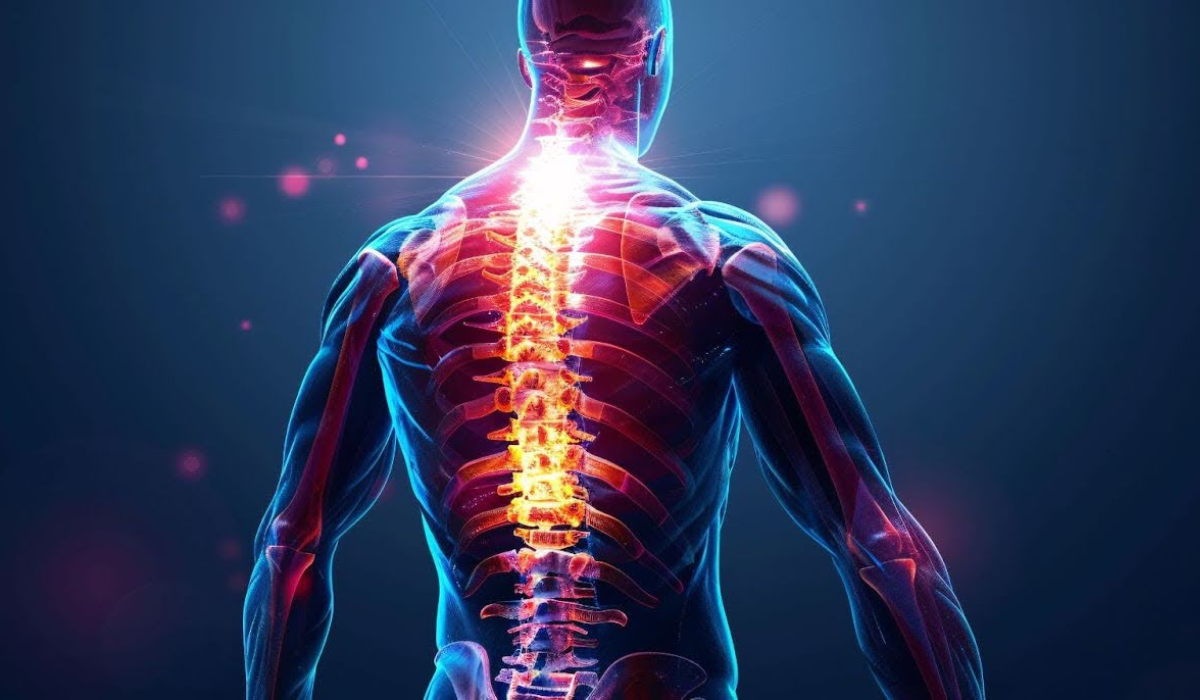
Recovery after kyphoplasty brings relief along with a new set of questions about how to move, rest, and care for yourself in the days ahead. Most patients experience an immediate reduction in pain, but lasting recovery still requires attention and patience. The weeks that follow aren’t defined by restrictions alone; they’re about recognizing which movements encourage healing and which ones place too much strain too soon. Caring for yourself through each stage helps safeguard the results of your surgery and promotes a steady, confident return to normal activity. Here’s what you need to know about navigating recovery with confidence, from those first cautious hours to the weeks when you’re ready to fully reclaim your routine.
Understanding the Kyphoplasty Recovery Process
Recovery after kyphoplasty starts with understanding what the procedure aims to achieve. This minimally invasive treatment stabilizes spinal fractures often caused by osteoporosis or injury. A small balloon is inserted into the fractured vertebra to create space, which is then filled with bone cement to restore height and strength. This approach typically enables faster mobility and less postoperative discomfort than open spinal surgeries. Healing, however, continues well beyond the procedure and depends on how the body adapts in the weeks ahead.
As the spine adjusts to its new alignment, care focuses on gentle movement and protection of the treated vertebra. Early recovery is crucial to help the cement and bone integrate effectively while reducing stress on surrounding structures.In some complex cases or when multiple vertebrae are affected, spinal implants may be used with kyphoplasty to provide additional stability. Understanding these recovery stages helps ensure a safe and steady return to normal activity.
Immediate Post-Operative Phase (Day 0 – Week 1)
The first few days after kyphoplasty focus on recovery monitoring and gentle reintroduction to movement. While pain relief is often noticeable soon after surgery, this period is crucial for allowing the treated vertebra to stabilize and for the body to adjust safely.
Key aspects of this phase include:
- Monitoring and observation: Patients are closely watched for several hours after the procedure to ensure stable vital signs and normal neurological responses.
- Pain management: Mild soreness or stiffness near the incision site is common and managed with prescribed medication and adequate rest intervals.
- Early mobility: Gentle walking within the first day helps maintain circulation and supports gradual return to movement.
- Movement precautions: Avoid bending, twisting, or lifting heavy items to prevent stress on the treated vertebra.
- Posture awareness: Keep the spine aligned when sitting or standing to protect the surgical repair and reduce strain.
- Supportive measures: Using assistive devices temporarily can improve stability and minimize spinal load during initial healing.
Intermediate Recovery Phase (Weeks 2 – 6)
By the second week, recovery after kyphoplasty transitions from rest to gradual reconditioning. Pain and stiffness usually continue to ease, allowing patients to increase daily activity under guided supervision. The focus now shifts toward rebuilding muscle support, maintaining spinal alignment, and preventing reinjury as normal routines resume.
Key aspects of this phase include:
- Gradual increase in activity: Light household movements and short walks can be expanded as comfort allows, avoiding sudden or high-impact actions.
- Posture and body mechanics: Maintaining correct posture when lifting, bending, or sitting helps reduce pressure on the spine and supports long-term stability.
- Targeted physical therapy: Physicians often recommend tailored exercises to strengthen the back and core muscles, improving balance and spinal endurance.
- Monitoring for symptoms: Persistent pain, numbness, or new discomfort should be promptly evaluated to ensure proper healing and cement integration.
- Nutritional and bone health support: A balanced diet rich in calcium, vitamin D, and protein promotes bone strength, aiding the recovery of vertebral integrity.
- Follow-up imaging: Periodic X-rays or scans may be advised to confirm the treated vertebra is stable and properly aligned.
Long-Term Recovery & Maintenance (Beyond Week 6)
After six weeks, recovery following kyphoplasty progresses into a maintenance phase focused on preserving spinal health and preventing future fractures. Most patients return to near-normal mobility, but maintaining these gains requires continued attention to posture, bone strength, and daily habits that support spinal stability.
Key aspects of long-term care include:
- Gradual return to full activity: Regular routines can resume, but high-impact exercises or heavy lifting should be introduced slowly and only after medical clearance.
- Structured exercise plan: Under professional guidance, activities such as swimming, yoga, or physiotherapy can help maintain flexibility, build core strength, and support spinal alignment.
- Posture awareness: Practicing good ergonomics when sitting, standing, or lifting reduces undue spinal pressure and promotes proper alignment.
- Bone health management: Adequate calcium and vitamin D intake, along with physician-recommended osteoporosis treatment, helps prevent further vertebral compression.
- Routine medical follow-ups: Regular checkups allow monitoring of vertebral stability and early detection of adjacent segment issues.
- Healthy lifestyle choices: Maintaining a balanced diet, avoiding smoking, and engaging in consistent low-impact activity contribute to long-term spine resilience.
Wrap Up
Recovery after kyphoplasty is a gradual process that rewards patience and informed care. Following the right steps during each phase helps the body heal efficiently while minimizing discomfort and complications. The quality of spinal implants and materials used during such procedures plays a key role in ensuring long-term stability and success. Madison Ortho partners with healthcare providers to deliver high-quality orthopedic implants backed by extensive research and advanced manufacturing standards, supporting better outcomes for patients undergoing spinal procedures. To learn more about our product offerings, call +1-787-945-5800, email info@madisonorthoinc.com, or fill out our contact form.
FAQs
Q: How long does recovery usually take after kyphoplasty?
Most patients experience noticeable pain relief within 24 to 48 hours, but complete recovery typically spans several weeks. Full return to normal activity depends on factors such as bone strength, age, and adherence to post-surgical guidance from the treating specialist.
Q: What activities should be avoided after kyphoplasty?
Patients are generally advised to avoid bending, twisting, and heavy lifting for the first six weeks. Gradual reintroduction of these movements should only occur under medical supervision to protect the treated vertebra and surrounding tissues.
Q: Are spinal implants used during kyphoplasty?
In most cases, kyphoplasty involves the injection of bone cement to stabilize the fractured vertebra rather than the placement of spinal implants. However, implant-based reinforcement may be considered in complex cases or where additional structural support is required.
Q: How can patients maintain long-term spinal health after the procedure?
Long-term success depends on strengthening back muscles, maintaining bone density through nutrition and medication, and following a guided exercise plan. Regular checkups help ensure ongoing spinal stability and prevent future fractures.
Q: What are the device features of Madison Ortho’s kyphoplasty system that support safer outcomes?
The system includes balloons with radiopaque markers for accurate placement and an inflation pump capable of reaching up to 40 atm pressure to restore a collapsed vertebral body. The percutaneous access devices and expansion cannulas are designed to minimize soft tissue disruption and reduce the risk of cement leakage, enhancing both precisionand safety during recovery.
Q: What role does Madison Ortho play in spinal care solutions?
Madison Ortho offers advanced orthopedic implants and precision-engineered spinal systems designed to support effective surgical outcomes and sustained spinal integrity. For detailed product information or professional consultation, contact +1-787-945-5800 or email info@madisonorthoinc.com.
